
Jump To A Section
- Why Are Children More Often Bitten by Dogs?
- The Emotional Impact of a Dog Bite on a Child
- Tips for Teaching Children How to Stay Safe Around Dogs
- What To Do if A Child is Bitten
Dogs are cherished members of numerous families. They offer companionship, promote physical activity, and often become trusted friends to children. Sadly, even beloved pets can bite in specific situations, and children are more frequently victims of such incidents.
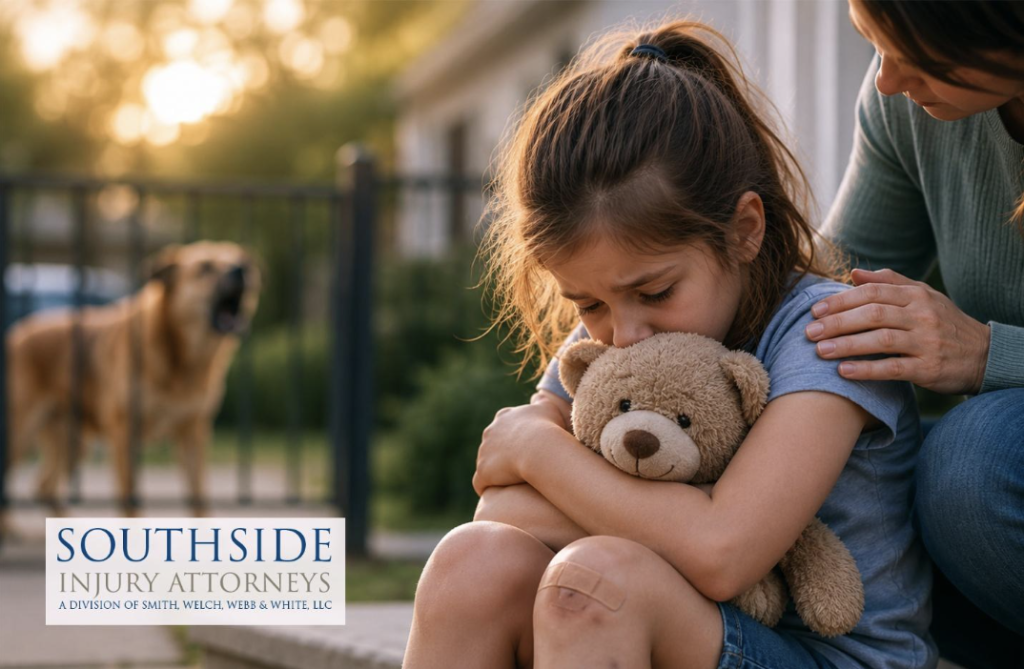
While much attention is understandably focused on the physical injuries caused by dog bites, the emotional impact can be equally significant. Fear, anxiety, sleep disturbances, and lasting trauma may persist long after wounds have healed.
This blog will explain why children are more vulnerable to dog bites, how these incidents can affect a child’s emotional well-being in the short and long term, and what parents can do to reduce risk, helping families foster safer interactions between children and dogs.
Why Are Children More Often Bitten by Dogs?
According to the Centers for Disease Control and Prevention (CDC), children are more likely than adults to be bitten by dogs, and their injuries are often more severe. Many bites involving young children occur during routine interactions with familiar dogs rather than with stray or unknown animals.
This may surprise many people and contradict what we have been led to believe. Most serious incidents do not involve aggressive-looking dogs or dangerous situations. Instead, they often occur during routine family activities.
Here are several factors that increase children’s vulnerability:
Children Are Smaller
Young children are naturally closer to a dog’s face than adults. When a dog bites, injuries frequently occur to the head, face, neck, and shoulders because these areas are within reach. In adults, injuries are often to the hands and lower extremities.
Children Have Difficulty Reading Dog Body Language
Dogs communicate discomfort through body language. They may stiffen, turn away, lick their lips, yawn repeatedly, growl, or show signs of stress before biting. Children may miss these subtle signs, so adults should always pay attention to both animals and children, no matter how friendly the pet appears.
Children Move Unpredictably
Children make more unpredictable noises and movements. Running, screaming, hugging, climbing, grabbing toys, or sudden movements can overwhelm or frighten some dogs. What may seem playful to a child can feel threatening to a dog.
Understanding Why Dogs Bite
Most dogs do not bite because they are “mean.” According to experts at the American Veterinary Medical Association, dogs typically bite when they feel:
- Frightened
- Startled
- Threatened
- Protective of food or toys
- Sick or in pain
- Overstimulated
- Cornered or unable to escape
A dog that has always been gentle may still react if it feels uncomfortable in a particular moment. For example, a child may try to hug a sleeping dog, tug on its ears, take away a toy, or surprise it while it is eating. The dog may respond instinctively and without any warning.
Recognizing that bites often stem from stress or fear, not necessarily aggression, could help families focus on prevention.
The Emotional Impact of a Dog Bite on a Child
The effects of a dog bite can extend far beyond physical injuries. A child who was once comfortable around dogs may develop a fear of animals, experience nightmares or sleep disturbances, or show increased anxiety, such as clinginess, separation anxiety, or emotional outbursts. Children with visible scars may also struggle with self-esteem and become self-conscious about their appearance.
In more serious cases, a dog attack can trigger symptoms similar to post-traumatic stress disorder (PTSD), including intrusive memories, avoidance behaviors, and heightened fear responses. Because emotional trauma is not always immediately apparent, parents should monitor their child for lasting behavioral changes and seek professional support as needed.
Tips for Teaching Children How to Stay Safe Around Dogs
While adults cannot prevent every dog bite, teaching children how to behave around dogs can significantly reduce the risk of injury. The American Academy of Pediatrics recommends helping children understand that even friendly dogs have boundaries and may react negatively if they feel frightened, startled, or uncomfortable.
Children should always ask a dog’s owner for permission before approaching or petting an unfamiliar dog. Once permission is granted, it is best to let the dog become comfortable with the interaction before attempting to pet it. Adults should also teach children to avoid rough play, such as wrestling, chasing, or tug-of-war, which can excite a dog and increase the risk of a bite.
It is equally important for children to recognize situations in which a dog may be more likely to react defensively. Dogs should be left alone while eating, sleeping, caring for puppies, or guarding a favorite toy. Children should also be encouraged to stay calm around dogs and avoid running, screaming, or making sudden movements that could startle them. However, because these expectations can be difficult for younger children, especially toddlers, to follow consistently, adult supervision remains essential. Parents and caregivers should remain actively involved in interactions between young children and dogs to help prevent situations that could lead to a bite.
Understanding how to respond when a dog appears agitated can also help prevent an attack. If a dog growls, barks aggressively, or acts threateningly, children should avoid direct eye contact, remain still or back away slowly, and seek help from a nearby adult. By teaching these basic safety habits early, parents can help children enjoy positive interactions with dogs while reducing the risk of serious injury.
Creating a Safe Home Environment
Families can reduce risk by setting clear boundaries for children and pets. Some helpful strategies include:
Give Dogs Safe Spaces
Dogs should have a quiet place to rest without interruption. Children should understand that when a dog is in its designated space, it should be left alone.
Teach Respect Early
Children should learn that dogs are living creatures with feelings and boundaries. Respectful interactions should be encouraged from an early age.
Socialize and Train Dogs
Responsible dog ownership includes proper training and socialization. Dogs that are comfortable around people and accustomed to everyday situations are often less likely to react out of fear.
What To Do if A Child is Bitten
If a dog bites a child, immediate medical care is important.
- Call 911 for medical attention and to report the incident
- Thoroughly clean the wound using soap and water.
- Seek medical attention
- Monitor for signs of infection
- Verify whether the dog’s owner has received rabies vaccination.
Final Thoughts
A dog bite can leave a child with more than just physical injuries; it can affect their confidence, sense of security, and emotional well-being. Understanding the risks and taking appropriate precautions can help reduce the likelihood of some injuries; however, unfortunately, not all dog bites are preventable.
If your child or a loved one has been bitten by a dog in Georgia, the experienced dog bite attorneys at Southside Injury Attorneys can review your case and discuss your potential legal options during a free consultation. Contact us today at 866-982-5295 to schedule your free consultation.
Sources
¹ Centers for Disease Control and Prevention. (2026, April 8). Dogs. Healthy Pets, Healthy People. https://www.cdc.gov/healthy-pets/about/dogs.html. Accessed June 2026.
² American Veterinary Medical Association. (n.d.). Dog bite prevention. American Veterinary Medical Association. https://www.avma.org/resources-tools/pet-owners/dog-bite-prevention. Accessed June 2026.
³ American Academy of Pediatrics. (2018, June 8). Dog bite prevention tips. HealthyChildren.org. https://www.healthychildren.org/english/safety-prevention/all-around/pages/dog-bite-prevention-tips.aspx. Accessed June 2026.

